
Small Living Room Ideas: 9 Ways to Make a Tiny Living Room Feel Bigger
Small living room ideas work best when they start with the room you actually have, not the one in a magazine. A tiny living room can feel open, calm and genuinely comfortable — but only if the sofa fits, the walkways stay clear and every piece earns its place. The trick is not buying less furniture for the sake of it. It is choosing the right size, putting it in the right spot, and letting light and colour do the rest. These nine ideas are the ones designers keep coming back to, and most of them cost nothing at all.
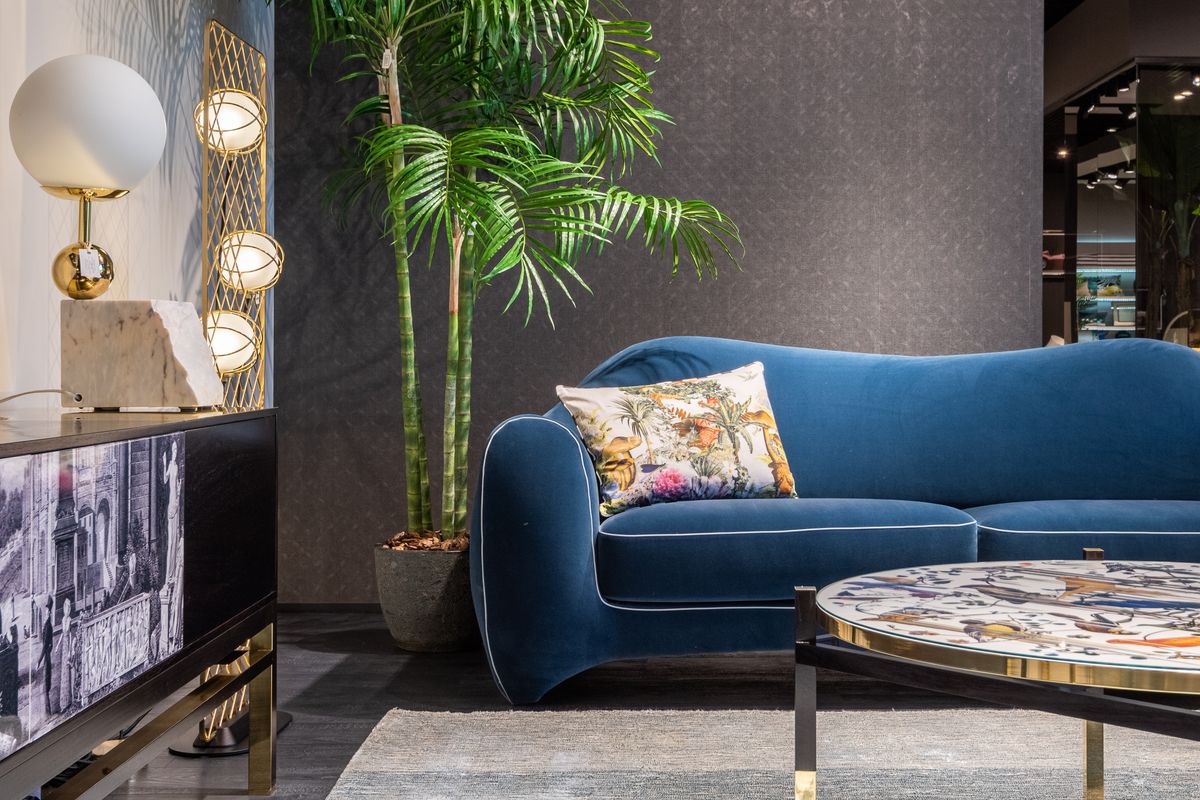
Photo: Max Vakhtbovych via Pexels
At a glance
- Pick an apartment-size sofa (about 72–80 inches wide) instead of a standard 84–96 inch one — it frees up real floor space.
- Keep main walkways 30–36 inches wide and the coffee table 14–18 inches from the sofa.
- Float the sofa a few inches off the wall — it adds depth instead of flattening the room.
- Choose furniture that does two jobs: storage ottomans, nesting tables, a sleeper sofa.
- Use one rug big enough for the front legs of every seat, and hang curtains at ceiling height.
1. What size sofa fits a small living room?
This is the single biggest decision, and most small rooms go wrong right here. A standard three-seat sofa runs about 84–96 inches wide and 36–40 inches deep, which is a lot of furniture for a room that might only be 11 or 12 feet across. Apartment-scale sofas are made for exactly this problem: typically 72–80 inches wide and 30–34 inches deep, with slimmer arms so you lose almost no seating. Before you buy anything, measure the wall, measure the door it has to come through, and tape the outline on the floor. A sofa that fits on paper but blocks the doorway to the kitchen will annoy you every single day. Designers also suggest the sofa should take up roughly two-thirds of the wall it sits against — any longer and it starts to swallow the room. For detailed spacing, The Tidy Renter's measured layout guide walks through seven small-room floor plans with the exact distances designers use.
2. Should you push the sofa against the wall?
It feels logical — push everything to the edges and the middle stays free. In practice, a sofa pressed flat against the wall often makes a room feel smaller, not bigger, because there is no sense of depth at all. Try pulling it forward just four to six inches. That small gap creates a shadow line behind the sofa, and the eye reads it as extra space. In an open-plan room, pulling the sofa fully off the wall works even better: its back becomes a natural divider between the living area and a dining or work corner, with a slim console table behind it to finish the look. The one exception is a genuinely tiny room, under about 120 square feet, where wall-hugging is the only way to keep a usable walkway. Either way, protect the main path through the room — keep 30–36 inches clear so nobody has to turn sideways to get past the coffee table.
3. How do you arrange furniture in a small living room?
Start with one focal point and point the sofa at it — usually the TV, the fireplace, or the biggest window. Everything else arranges itself around that line. Three layouts cover almost every small room. The classic puts the sofa opposite the TV with one or two slim armchairs at the sides, facing in; it is the best for conversation. The corner layout tucks a compact L-shaped sectional into a corner, which seats more people than a sofa and chairs while leaving the rest of the floor open — just watch that the chaise does not stick out into the walkway. The floating layout pulls the sofa off the wall so the room splits into two zones, which suits rooms that open straight into a kitchen. Whichever you choose, keep the coffee table 14–18 inches from the sofa and about two-thirds of the sofa's length, and leave 3–10 feet between seats so conversation feels natural rather than shouted or whispered.
4. Which furniture earns its place twice?
In a small living room, every piece should do at least two jobs. A storage ottoman is a footrest, an extra seat, a coffee table with a tray on top, and a blanket chest — four jobs in one square of floor. Nesting tables spread out when friends come over and tuck away the rest of the week. A sleeper sofa turns the living room into a guest room without a spare bedroom. A lift-top coffee table doubles as a laptop desk. And a storage bench under the window is a seat and a place for the things that otherwise end up on the floor. The rule is simple: if a piece only does one thing and it is large, it has to justify the floor it takes. House AI's small living room guide makes the same point with real room examples — furniture sized to the room first, decoration second.
5. Where should storage go in a small living room?
Up, and behind closed doors. Tall, shallow shelving uses wall height that otherwise sits empty, and it draws the eye upward, which makes the ceiling feel higher. A wall-mounted cabinet keeps the floor underneath it open, so the room reads as larger. Closed storage matters more than open shelving in a small room: a shelf full of books looks charming, but three shelves of mixed clutter make the whole room feel crowded. Pick one open shelf for display and hide the rest. The same thinking applies to the TV — wall-mount it and the bulky entertainment unit disappears. If you rent and cannot drill, a tall, narrow bookcase in a corner does most of the same work without a single hole in the wall.
6. Does a rug make a small living room look bigger?
Yes — but only if it is big enough. A rug that is too small looks like a postage stamp in the middle of the floor and actually makes the room feel smaller. Aim for a rug that fits at least the front legs of the sofa and chairs; in most small living rooms that means around 5 × 7 feet at minimum, and 8 × 10 if the room allows it. The rug visually groups the seating into one zone, which reads as intentional rather than cramped. Keep it 12–18 inches from the walls so a border of floor shows around it. A round rug works well in a tight room because it has no corners sticking into the walkway, and a low-pile rug in a light, warm tone keeps the floor feeling open underfoot.
7. What colours and light work in a small living room?
White walls are not the answer most people expect. A stark, cold white can make a small room feel flat and bare. A warm off-white, a soft greige, or a muted tone in the same family as your natural light usually feels bigger and far more welcoming. Keep the palette to one calm base with one or two accents — a blue sofa against warm white walls, for instance, gives the room a focal point without visual noise. Then layer the light: one overhead light alone flattens everything, so add a floor lamp in a corner and a small table lamp near the sofa. Three levels of light give the room depth in the evening, which is when a small room most often feels cramped. And hang curtains at ceiling height, not just above the window frame — the longer drop makes the window (and the wall) feel taller.
8. What are the most common small living room mistakes?
The biggest is simply too much furniture: a full-size sofa, two large chairs, a huge coffee table, several side tables and a large entertainment unit cannot all fit a small room, no matter how much you want them to. The second is the opposite error — filling the room with lots of tiny pieces, which looks fussy and cluttered. One or two properly scaled anchors (the right sofa, one good rug) with a few carefully chosen smaller pieces almost always looks better. The third is pushing every piece against the wall, which we covered above. And the fourth is ignoring scale on the walls: one large piece of art makes a small room feel bigger, while a dozen small frames scattered around makes it feel busy. Pick one, hang it slightly higher than usual, and let it breathe.
9. A small living room that works: where to start this weekend
Decorating for the holidays? See our cozy Christmas decor ideas for a small living room — nine ways to make a tiny room feel magical without clutter.
Start with the tape measure, not the shops. Measure the room, the sofa you have, and the walkways. Pull the sofa a few inches off the wall and see how the room changes. Then remove one piece of furniture — just one — and live without it for a week; most people never miss it. After that, the bigger moves (a smaller sofa, a bigger rug, taller curtains) fall into place naturally, because you finally know what the room actually needs. A small living room is not a problem to solve once and forget; it is a room you tune as life changes. Get the size right, keep the paths clear, and let a few good pieces do the work — the room will feel bigger than its square footage suggests. And once the living room feels right, the same thinking works in the bedroom: our guide to cozy bedroom ideas shows how layered bedding and warm light make a small bedroom feel like a retreat.
Frequently asked questions
What is the best sofa size for a small living room?
An apartment-size sofa, about 72–80 inches wide and 30–34 inches deep, fits most small living rooms. A standard sofa (84–96 inches wide) usually crowds the room and blocks walkways.
How much space should you leave around furniture?
Keep main walkways 30–36 inches wide, the coffee table 14–18 inches from the sofa, and seats 3–10 feet apart for comfortable conversation.
Should a small living room have a big rug or a small rug?
A bigger rug, always. It should fit at least the front legs of the sofa and chairs — around 5 × 7 feet minimum in most small rooms. A rug that is too small makes the room look smaller.
Can a sectional work in a small living room?
Yes, if it is compact — a long side under about 95 inches with a return near 60 inches — and tucked into a corner so the chaise does not block the walkway. A small L-shaped sectional often seats more people than a sofa plus chairs.
No comments